Types of Roof Flashing and Where Each Is Used
To ensure your roof stays protected, local contractors specializing in types of roof flashing and where each is used can help you select and install the right flashing for your needs.
Understanding the different types of roof flashing and where each is used can be a valuable step for property owners looking to protect their homes. Proper flashing installation is essential for preventing leaks and water damage, especially in areas prone to heavy rainfall or temperature fluctuations. Whether you're considering a repair or planning a new roof, knowing which flashing materials and designs are suited for specific parts of a roof can help ensure long-lasting performance. Local contractors experienced in roof flashing services can provide expert guidance tailored to the unique needs of properties in the area, helping owners make informed decisions that enhance durability and peace of mind.
Exploring the various types of roof flashing and their applications also highlights the importance of professional installation. Different flashing materials-such as metal, aluminum, or copper-serve specific functions depending on their placement, whether around chimneys, vents, or roof edges. Properly installed flashing not only improves a roof’s resilience but also contributes to the overall integrity of the structure. Property owners in the community can benefit from the expertise of local service providers who specialize in roof flashing, ensuring that each type is correctly used where it’s needed most for reliable, long-term protection.
- Step flashing - needed around chimneys and dormers to ensure water is directed away from joints, with local contractors expertly installing to prevent leaks.
- Continuous flashing - used along roof edges and valleys where a seamless barrier is essential, and local service providers focus on proper sealing for durability.
- Drip edge flashing - installed at eaves and rakes to protect underlying roofing materials, with local pros ensuring correct placement to prevent water infiltration.
- Counter flashing - applied around wall and roof intersections to cover base flashings, with local contractors carefully integrating it for long-lasting protection.
- Valley flashing - used in roof valleys to channel water away efficiently, with local service providers customizing installation based on roof design for optimal performance.



When homeowners search for information on types of roof flashing and where each is used, they often want to understand how these components protect their property from water intrusion and damage. Roof flashing is a critical element that seals joints, edges, and penetrations in a roof to prevent leaks. People typically explore this topic because they are planning a roof replacement, repairing leaks, or upgrading their roofing system to improve durability. Common problems related to flashing include water leaks around chimneys, vents, or skylights, which can lead to costly repairs if not addressed properly. Additionally, property owners may be evaluating different roofing materials and want to ensure the flashing chosen complements their overall roof design and functions effectively in their specific climate or property type.
Different types of roof flashing are designed to serve specific purposes depending on the roof’s structure and features. Step flashing is commonly used along roof-to-wall intersections, especially on homes with vertical walls or chimneys, providing a layered seal that directs water away from vulnerable joints. Continuous or apron flashing is often installed at roof edges or over large areas where a single piece can cover a wide seam, offering a streamlined barrier against water infiltration. Vent and pipe flashings are specialized pieces that fit around roof penetrations like vents, pipes, or skylights, ensuring these openings remain watertight. Each type of flashing is selected based on the location it serves, the roof’s slope, and the materials involved, with local service providers capable of recommending the most suitable options for each property.
Property types that commonly involve roof flashing considerations include residential homes, multi-family buildings, and commercial structures. Single-family houses often require flashing around chimneys, dormers, and roof valleys to prevent leaks and water damage. Multi-unit residential buildings may have more complex flashing needs around shared walls, vents, and flat roof sections, making proper installation crucial for long-term performance. Commercial properties, such as retail stores or office buildings, often feature flat or low-slope roofs that utilize different flashing techniques like base flashing and membrane flashing to create a continuous, waterproof surface. Regardless of the property type, experienced local contractors can assess the specific flashing needs based on the roof design and provide tailored solutions to ensure effective water management and roof longevity.
Understanding the various types of roof flashing and their appropriate applications helps property owners make informed decisions about their roofing projects. Proper installation by skilled local service providers ensures that each flashing type functions as intended, preventing leaks and protecting the structure from water damage. Whether dealing with a simple residential roof or a complex commercial system, connecting with experienced contractors can provide peace of mind that the flashing components are correctly selected and installed. This knowledge supports long-term roof performance, reduces the likelihood of costly repairs, and helps maintain the integrity of the property’s overall roofing system.
Roof repair projects often require understanding of flashing types to ensure proper sealing and waterproofing, making skilled local contractors essential for effective work.
Gutter installation and maintenance involve planning for flashing to prevent water intrusion at roof edges, with local service providers capable of handling these integration details.
Chimney flashing replacement shares techniques with roof flashing installation, requiring precise planning and tools that local pros bring to ensure a durable seal.
Skylight installation involves working with flashing components to prevent leaks, and experienced local contractors can ensure proper integration with the roof system.
Roof ventilation projects often involve flashing considerations to ensure airflow without compromising waterproofing, with local service providers skilled in these installations.
Siding and exterior renovation projects may include flashing work to protect against water infiltration, requiring planning and tools similar to those used in roof flashing services.
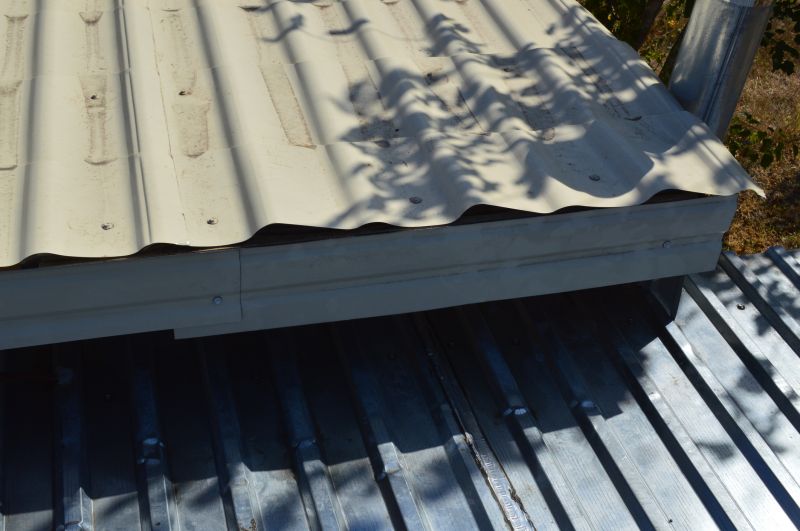
When comparing service providers for roof flashing, it is important to consider their experience with similar projects. Homeowners should inquire about the types of roof flashing they have installed in the past and whether they are familiar with the specific types and materials suited for different roofing situations. A contractor’s background handling projects comparable in scope and complexity can provide confidence that they understand the nuances of proper installation and the best practices for various types of roof flashing and where each is used.
Clear written expectations are essential when evaluating local contractors for roof flashing services. Homeowners should seek detailed descriptions of the scope of work, including the specific types of flashing to be used and the areas of the roof where each will be installed. Having a transparent plan helps ensure that both parties agree on the materials and techniques involved, reducing misunderstandings and providing a basis for evaluating the quality of the work once completed.
Reputable references and effective communication are key factors to consider during the selection process. Service providers with positive references from previous clients who had similar projects can offer valuable insights into their reliability and craftsmanship. Additionally, contractors who communicate clearly, respond promptly to questions, and provide thorough explanations about the different types of roof flashing and their applications demonstrate professionalism and a commitment to customer understanding. These qualities help homeowners feel confident in choosing a local professional capable of delivering quality results tailored to their roofing needs.
Property owners often search for types of roof flashing and where each is used when they are planning practical projects around their homes and businesses. Local pros provide Roof Flashing services for everyday jobs and straightforward project options.
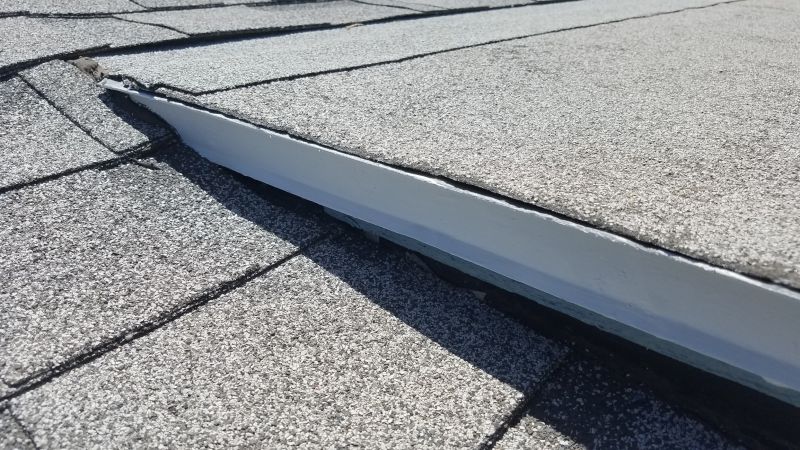

Understanding the different types of roof flashing and where each is used can help property owners make informed decisions when maintaining or repairing their roofs. Common types include step flashing, which is typically installed along the sides of chimneys and walls to direct water away from joints, and continuous or apron flashing, often used at roof-to-wall intersections for a seamless barrier. Valley flashing is essential in areas where two roof planes meet, helping to prevent leaks in these vulnerable spots. Homeowners considering repairs or upgrades might look into these options to ensure their roofs remain watertight, and local contractors specializing in roof flashing can provide guidance on the best materials and installation techniques suited to specific roof designs.
Property owners often seek out information on roof flashing to address issues like leaks, water damage, or aging materials. Knowing where each type of flashing is used can help determine if a repair or replacement is needed. For example, flashing around roof penetrations such as vents or skylights must be properly installed to prevent water intrusion, while step flashing along chimneys needs to be correctly integrated with shingles. Local service providers can assess existing flashing and recommend suitable solutions to protect the home’s structure. Consulting with experienced contractors ensures that the right type of flashing is used in the appropriate locations, helping to extend the lifespan of the roof and safeguard the property from potential water-related problems.
What are the common types of roof flashing? Common types include step flashing, continuous or apron flashing, valley flashing, and vent flashing. Local contractors can identify which type is suitable for specific roof features and ensure proper installation.
Where is step flashing typically used? Step flashing is used along roof-to-wall intersections and chimneys to prevent water intrusion. Local service providers can install or replace it to protect vulnerable areas of the roof.
What is continuous or apron flashing and where is it installed? Continuous flashing runs along roof edges, valleys, or low-slope areas to direct water away. Local pros can customize and install it for effective drainage in these locations.
When is valley flashing necessary? Valley flashing is essential in roof valleys where two roof planes meet, helping channel water efficiently. Local contractors can ensure proper installation to prevent leaks in these critical areas.
What types of flashing are used around vents and roof penetrations? Flashing around vents and penetrations often includes step flashing combined with specialized vent flashing to create a watertight seal. Local service providers can handle installation tailored to each penetration point.
Understanding step flashing - property owners can learn how to identify areas where step flashing is essential, such as around chimneys or roof penetrations, and seek local contractors for proper installation.
Exploring continuous flashing - knowing where to use continuous flashing on long roof edges or valleys helps property owners ensure water flows correctly, with local pros providing expert installation.
Learning about valley flashing - property owners can plan for valley flashing in areas where roof slopes meet, and rely on local service providers to install it effectively.
Recognizing apron flashing - understanding its use around roof projections like skylights can guide property owners to choose the right flashing type with help from local contractors.
If you are thinking about types of roof flashing and where each is used for a property, this guide is meant to help you understand this topic, the typical project types, and how different options might fit your plans.
When you are ready, you can use the quote form on this page to share a few details about your project. From there, local pros can review the basics and follow up with options that match what you have in mind.