Signs Your Roof Needs New Roof Capping
If you notice signs your roof needs new roof capping, local contractors can assess the damage and provide expert installation or repairs to protect your home.
Property owners in the area who notice issues with their roofing system may find themselves wondering if it’s time for new roof capping. Recognizing the signs that your roof needs new roof capping is essential for maintaining the integrity and appearance of a property. Whether it’s visible damage, such as cracked or missing capping, or subtle indicators like leaks and increased energy bills, these clues can help determine when professional assistance is needed. Local contractors specializing in roof capping services can assess the condition of existing materials and recommend the best course of action to ensure long-lasting protection.
Understanding these warning signs can save property owners from more extensive and costly repairs down the line. If your roof shows signs of deterioration, consulting with experienced service providers can help address issues promptly and effectively. These local experts are equipped to handle everything from repairs to complete capping replacements, providing peace of mind that your roof remains secure and functional. Keep reading to learn more about how to identify the need for new roof capping and when to seek professional help to keep your property protected.
- Roof capping replacement - needed when signs your roof needs new roof capping include cracked or deteriorated capping that exposes underlying roofing materials, with local contractors inspecting and replacing damaged sections to prevent leaks.
- Roof capping repair - required if there are loose or damaged capping pieces that compromise the roof’s integrity, with service providers carefully repairing or resealing to restore protection.
- Roof capping installation - necessary during roof upgrades or new construction projects when existing capping is outdated or incompatible, with local pros ensuring proper fitting for long-term durability.
- Roof capping sealing - recommended if signs your roof needs new roof capping include gaps or leaks around the edges, with experts applying sealants to improve waterproofing.
- Roof capping maintenance - advised when signs your roof needs new roof capping include aging or weathered capping, with service providers performing routine checks and replacements as needed.
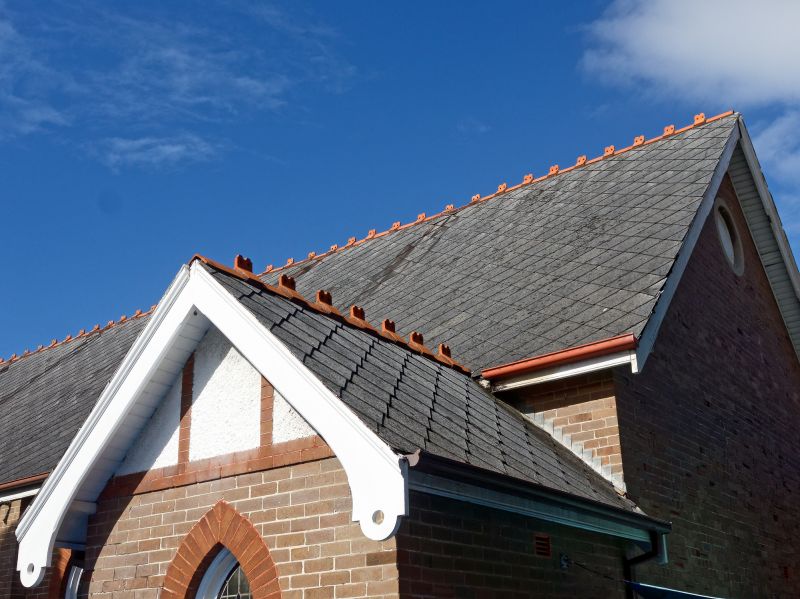
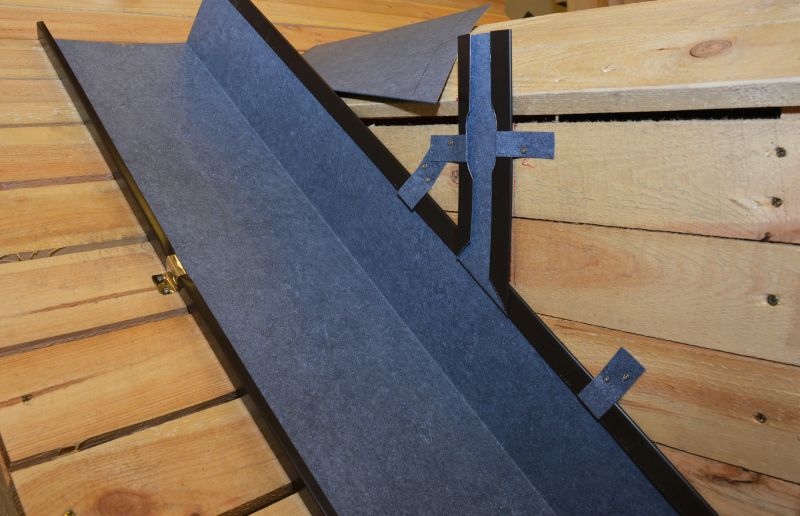
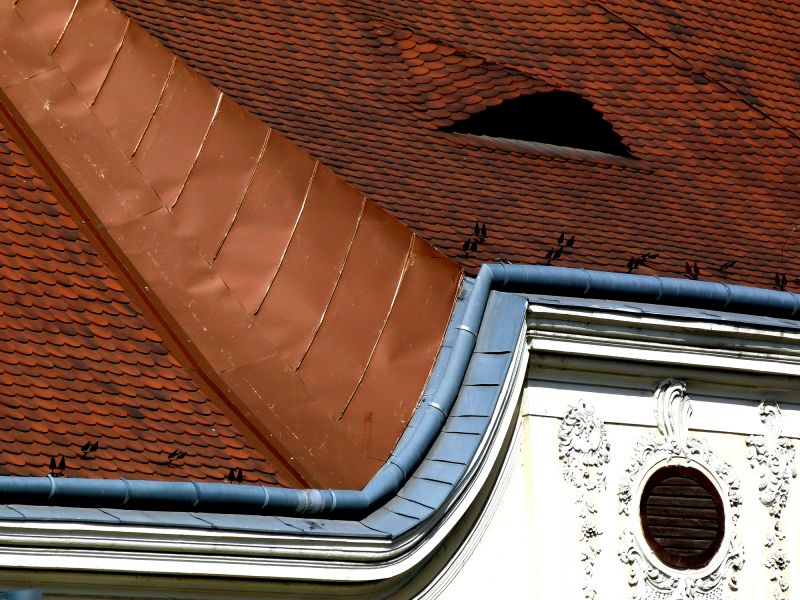
When homeowners search for signs their roof needs new roof capping, they are usually trying to identify visible indicators that the protective covering at the roof’s edges or around chimneys and vents has deteriorated or become compromised. Roof capping, often made of materials like metal or tile, serves as a critical barrier against water intrusion, wind damage, and other weather-related issues. When this component shows signs of aging or damage, it can compromise the entire roofing system, leading to leaks and structural concerns. Recognizing these signs early can help homeowners plan necessary repairs or replacements before more extensive damage occurs, making it a common concern for those maintaining or upgrading their properties.
This topic is closely related to problems such as leaks, drafts, or increasing energy bills, which often stem from compromised roof capping. It also pertains to renovation or repair plans aimed at extending the lifespan of a roof or improving its overall performance. For property owners, especially those with older roofs or homes exposed to harsh weather conditions, understanding when roof capping needs attention becomes part of a broader maintenance strategy. Whether dealing with a residential property or a commercial building, identifying these issues can be a key step toward preventing costly repairs down the line. Local contractors who specialize in roof capping can assess the situation and recommend the appropriate course of action, whether that involves repair or full replacement.
The types of properties that typically come up in discussions about roof capping include single-family homes, multi-family buildings, and commercial structures. Residential properties often feature roof capping around chimneys, vents, and roof edges, which are particularly vulnerable to wear and tear. Commercial buildings, especially those with flat roofs or complex rooflines, may also require specialized capping solutions to ensure weather-tightness. In all cases, the condition of the roof capping can significantly affect the overall integrity of the roof system. Homeowners and property managers should be attentive to signs of deterioration in these areas, as prompt service from experienced local contractors can help maintain the building’s safety and appearance.
Understanding when roof capping needs replacement involves looking for specific signs that indicate deterioration. These include visible rust or corrosion, cracked or missing sections, warping, or signs of water damage on the interior walls or ceilings. Additionally, loose or shifted capping can be a sign that it’s no longer providing an effective seal. If homeowners notice any of these issues, it’s advisable to have a professional inspection performed. Local service providers who specialize in roof capping can evaluate the extent of the damage, recommend repairs, or suggest a full replacement if necessary. Addressing these signs early can help preserve the roof’s effectiveness and prevent more extensive, costly repairs in the future.
Roof Inspection and Maintenance - Professionals who perform roof inspections can identify issues with roof capping and recommend necessary repairs or replacements to prevent further damage.
Gutter and Drainage System Services - Proper gutter installation and maintenance help prevent water buildup that can weaken roof capping and cause leaks or deterioration.
Flashing Repair and Replacement - Skilled contractors can replace or repair flashing, which is closely related to roof capping, to ensure water-tight seals around vents and chimneys.
Roof Leak Detection and Repair - Detecting leaks early can reveal underlying problems with roof capping that require professional attention to maintain roof integrity.
Roof Replacement Services - Complete roof replacement projects often involve installing new roof capping to ensure the entire roof system is secure and weatherproof.
Chimney and Vent Installation - Installing or repairing vents and chimneys involves work on roof capping components to ensure proper sealing and ventilation.
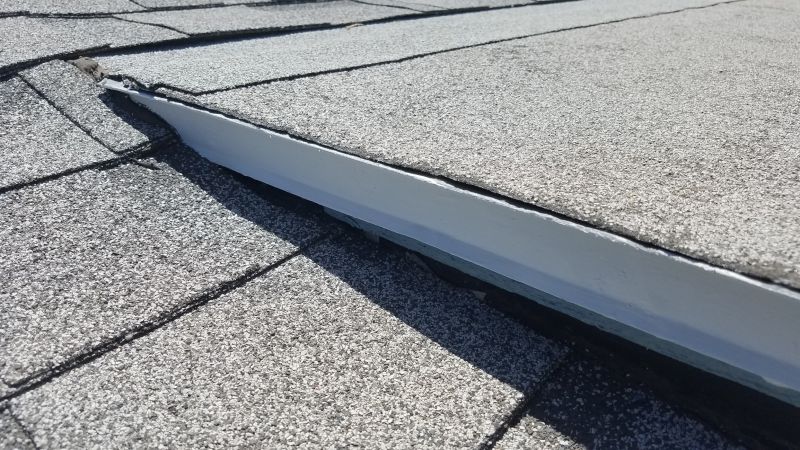
When evaluating potential service providers for roof capping, it is important to consider their experience with similar projects. Homeowners should inquire about how long a contractor has been handling roof capping work and whether they have a track record of successfully completing projects comparable in scope and style. A contractor with relevant experience can often better anticipate common challenges and provide insights that help ensure the job is done correctly and efficiently. Additionally, asking for reputable references or examples of past work can provide valuable insight into the quality of service and craftsmanship that a local contractor offers, helping homeowners feel more confident in their choice.
Clear, written expectations are essential when selecting a service provider for roof capping. Homeowners should seek detailed proposals that outline the scope of work, materials to be used, and the timeline for completion. Having these details documented helps prevent misunderstandings and ensures that both parties are aligned on project goals. It is also beneficial to discuss and clarify any warranties or guarantees offered, as well as the process for addressing any issues that might arise during or after the work is completed. Well-defined expectations foster transparency and contribute to a smoother project experience.
Effective communication is a key factor in choosing the right local contractor for roof capping services. Homeowners should look for service providers who are responsive, transparent, and willing to answer questions throughout the process. Good communication helps ensure that project details are understood and that any concerns are addressed promptly. A contractor who maintains open lines of communication can also provide updates on progress and coordinate scheduling efficiently. When evaluating potential service providers, paying attention to how well they listen and respond can be a good indicator of their professionalism and commitment to customer satisfaction.
Property owners often search for signs your roof needs new roof capping when they are planning practical projects around their homes and businesses. Local pros provide Roof Capping services for everyday jobs and straightforward project options.
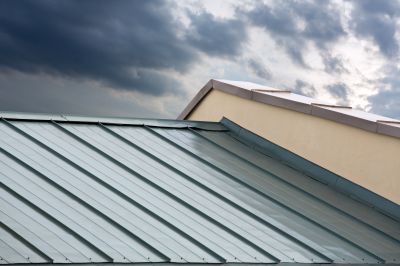
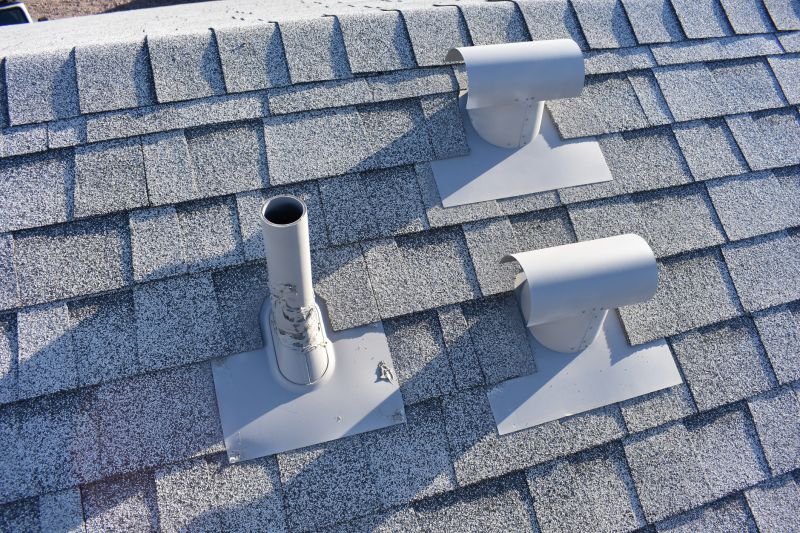
Property owners noticing cracked or missing roof capping are often prompted to explore roof replacement options. Over time, exposure to weather elements can weaken the integrity of roof capping, leading to visible damage such as warping or gaps. Additionally, if there are signs of water leaks or increased drafts inside the building, it may indicate that the current capping is no longer providing adequate protection. In these situations, local contractors who specialize in roof capping can assess the condition of the existing materials and recommend suitable solutions to restore the roof’s durability and appearance.
Other common reasons property owners turn to local service providers for roof capping services include the presence of moss, algae, or debris accumulating along the roof edges, which can accelerate deterioration. Aesthetic concerns, such as uneven or discolored capping, might also prompt an upgrade to improve curb appeal. When signs like these are observed, consulting experienced local contractors can help determine whether a repair or complete replacement of the roof capping is necessary to maintain the roof’s effectiveness and overall property value.
What are common visual signs indicating my roof needs new roof capping? Visible damage such as cracked, curling, or missing capping tiles can signal the need for replacement. Local contractors can assess whether your roof capping is compromised and recommend necessary repairs or replacements.
How can I tell if my roof capping is causing leaks? If water is leaking inside or there are water stains on ceilings, it may be due to damaged or deteriorated roof capping. Local service providers can inspect your roof to identify if capping issues are contributing to leaks.
Are there specific weather-related signs that suggest my roof capping needs attention? Strong winds, heavy rain, or hail can damage roof capping, leading to visible damage or displacement. Local pros can evaluate whether recent weather events have affected your roof's capping integrity.
What role does age play in determining if roof capping needs replacement? Over time, roof capping can become worn or brittle, especially if it has been exposed to the elements for many years. Local contractors can determine if age-related deterioration requires new roof capping.
Can interior issues indicate problems with roof capping? Interior signs like drafts, peeling paint, or increased energy bills may point to compromised roof capping. Local service providers can perform inspections to confirm if capping issues are affecting your home’s interior.
Visible damage or cracks on roof capping - noticing chips, splits, or gaps can indicate the need for replacement and can be addressed by local contractors.
Leaks or water stains inside the property - persistent signs of water intrusion may mean roof capping is compromised and requires professional attention.
Corrosion or rust on metal roof capping - rust spots or corrosion can weaken the material, making it necessary to seek roof capping services from experienced local providers.
Age of existing roof capping - if the roof capping is several decades old or shows signs of deterioration, local contractors can help with replacement to ensure continued protection.
If you are thinking about signs your roof needs new roof capping for a property, this guide is meant to help you understand this topic, the typical project types, and how different options might fit your plans.
When you are ready, you can use the quote form on this page to share a few details about your project. From there, local pros can review the basics and follow up with options that match what you have in mind.